Adjusting to a new culture means finding ways to connect, feel at home, and participate in community life. One of the most enjoyable and meaningful ways to do this is by learning about and celebrating American holidays.
Holidays in the US are more than just days off from work or school; they are deeply ingrained in the fabric of American history and everyday life. Each celebration has its own unique story, traditions, and customs, offering a window into the nation’s values and its diverse communities. By understanding what these holidays mean and how they are observed, newcomers can discover new ways to connect with their neighbors, create lasting memories, and share their own cultural heritage.
A brief history of significant American holidays and how to celebrate
New Year’s Day – January 1
The first day of the year is marked by celebrations with roots dating back centuries. In the United States, New Year’s Day became a federal holiday in 1870. People commonly gather with family or friends, watch fireworks, and share special meals to welcome the new year. Making resolutions, or setting personal goals for the year ahead, is also a popular American tradition on New Year’s Day.
Martin Luther King, Jr. Day – Third Monday in January
This day honors Dr. Martin Luther King Jr., a pivotal figure in the Civil Rights Movement who advocated for equality and nonviolent resistance. It became a federal holiday in 1983. Many communities celebrate with parades, educational events, and service activities, encouraging people to give back and reflect on justice and equality.
Presidents’ Day – Third Monday in February
Originally established to honor the first US president, George Washington’s birthday, Presidents’ Day now celebrates all US presidents. The holiday offers a glimpse into American history, and many museums and historic sites hold special events. Communities often host parades, and stores may have sales.
Easter – Date Varies (Spring)
Easter is a major Christian holiday, observed on the first Sunday after the full moon that occurs on or after March 21, which is considered the start of spring by the church. Easter changes each year because it follows a lunar cycle, not a fixed calendar date. It is widely observed in both religious and secular ways, such as church services, egg decorating, and community egg hunts. Families often gather for festive meals.
Memorial Day – Last Monday in May
This day was created to honor the men and women who have died while serving in the US military, especially after the Civil War. Many people visit cemeteries, attend parades, or participate in ceremonies of remembrance. It’s also a time when families enjoy the outdoors as summer unofficially begins.
Independence Day – July 4
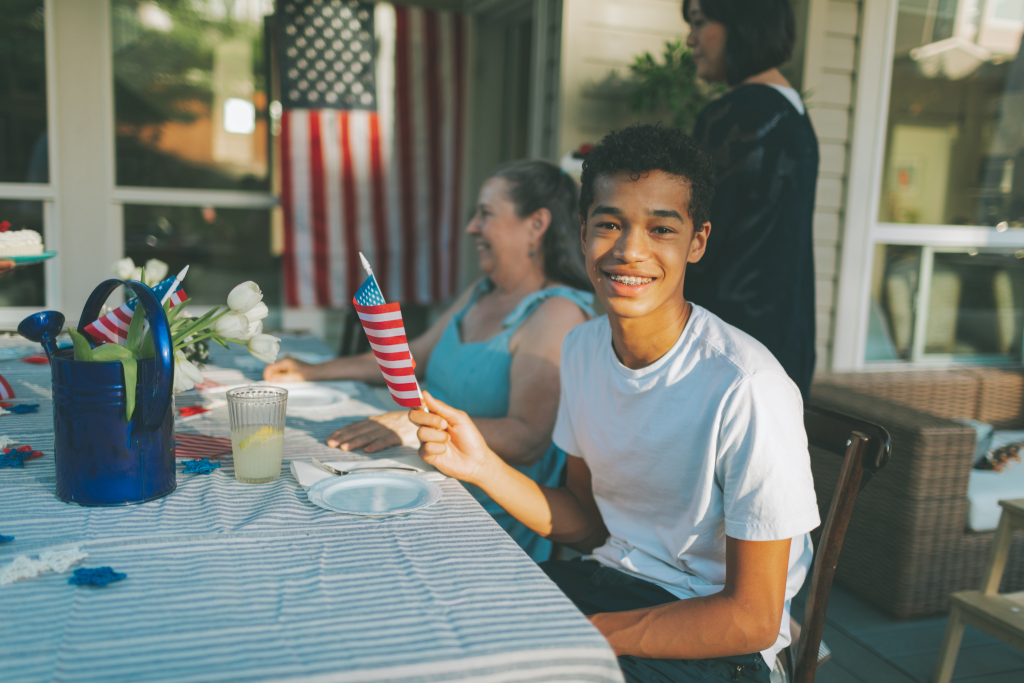
Known as the Fourth of July, this holiday commemorates America’s declaration of independence from Great Britain in 1776. Cities and towns organize fireworks displays, parades, and picnics. Many homes display the American flag, and neighborhoods come together for barbecues and community fun.
Labor Day – First Monday in September
Labor Day recognizes the contributions of American workers and the labor movement. Officially established in 1894, this holiday often marks the end of summer. People enjoy time off work, attend festivals, and take part in community gatherings.
Halloween – October 31
Halloween has its origins in ancient harvest celebrations and is now a beloved American tradition for both children and adults. People decorate their homes with spooky themes, dress in costumes, and children collect candy from neighbors in the tradition known as “trick-or-treating.”
Veterans Day – November 11
First started as Armistice Day to mark the end of World War I, Veterans Day is now a federal holiday honoring all those who have served in the US military. Communities often host parades and ceremonies, and many take time to thank veterans for their service.
Thanksgiving – Fourth Thursday in November
Thanksgiving traces back to early celebrations of the harvest, most famously a shared meal between Pilgrims and Wampanoag people in the 1600s. Families and friends gather for a special meal, often including turkey, stuffing, and pumpkin pie, to give thanks and reflect on gratitude. Parades and football games are also popular traditions.
Christmas Day – December 25
Christmas is a Christian holiday, but it’s widely celebrated in a secular way across the US as well. People decorate their homes, exchange gifts, sing carols, and share festive meals. Community events and religious services are open to all.
New Year’s Eve – December 31
As the closing day of the year, New Year’s Eve is celebrated with parties, fireworks, and countdowns until midnight. It’s a joyful time to reflect on the past year and look forward to new beginnings.
Tips for newcomers: Making holidays your own
- Join Local Events: Oklahoma City and other communities often host parades, festivals, and public celebrations. Attending these is a great way to meet new people and experience American traditions firsthand.
- Try Traditional Foods: Many holidays have dishes unique to the occasion, such as turkey and pumpkin pie at Thanksgiving or barbecue on July 4. Take the opportunity to taste and share these foods with your family and friends.
- Decorate Your Home: Americans enjoy holiday decorations—consider hanging a flag for Independence Day, putting up lights for Christmas, or displaying pumpkins for Halloween.
- Embrace Your Heritage: Many Americans celebrate their cultural backgrounds alongside national holidays. Don’t hesitate to share your own traditions; neighbors are often curious and appreciative to learn about different customs.
- Volunteer: The holiday season is a time of giving. Volunteering at community organizations, such as food banks and shelters, is a meaningful way to connect and give back.
Unique American holiday traditions
American holidays stand out thanks to distinctive traditions that bring people together and create lasting memories. For example, the Fourth of July wouldn’t be complete without vibrant fireworks displays lighting up the sky—attending or watching these shows is a cherished way for families and communities to celebrate Independence Day.
During the holiday season, many Americans take part in “Secret Santa” gift exchanges at work, school, or among friends. This fun tradition involves anonymously giving gifts, helping to foster a spirit of generosity and surprise.
Finally, community service is deeply woven into many American holidays. On days like Martin Luther King, Jr. Day and Thanksgiving, it’s common for people to volunteer at shelters, serve meals, or participate in charity drives. These acts of kindness demonstrate the holiday spirit and encourage everyone to give back to their community.
Together, these traditions help newcomers feel included and offer meaningful ways to engage with American culture beyond the surface of celebration.
Immigrant contributions to American holidays
For generations, newcomers to the United States have contributed to holiday customs, blending their cultural practices with American traditions or, in some cases, establishing entirely new celebrations. As a result, holiday observances often look very different from one community to another and even from one household to the next.
Examples of immigrant influence and adaptation:
- Cinco de Mayo: Although originating as a commemoration of the Mexican army’s victory at the Battle of Puebla, Cinco de Mayo is more widely celebrated in the United States than in Mexico. Mexican Americans have transformed it into a celebration of Mexican heritage and pride, featuring music, dance, and cuisine. Many other Americans join in local festivities, making it an important date for cultural sharing and community unity.
- Thanksgiving Fusion: Thanksgiving, while rooted in early colonial history, has been continuously shaped by immigrant families who add their own flavor to the traditional meal. It’s common to find a Thanksgiving table featuring tamales, curries, rice dishes, or spring rolls alongside traditional dishes like turkey and stuffing. These culinary blends reflect the global roots of American families and have become part of the modern holiday’s identity.
- St. Patrick’s Day: What began as a religious feast day for Ireland’s patron saint evolved into a significant national event, thanks in part to Irish immigrants in cities like Boston and New York. Parades, green decorations, and corned beef and cabbage (an American adaptation of an Irish tradition) are now seen everywhere, regardless of ancestry.
- Chinese New Year and Lunar New Year: Large cities across the US host parades and festivals for Lunar New Year, introduced by Chinese immigrants. Traditions such as dragon dances, red lanterns, and dumpling feasts have become mainstream, with people from all backgrounds participating in these celebrations.
- Hanukkah and Diwali: Jewish and Hindu holidays, such as Hanukkah and Diwali, which were once observed within ethnic communities, are now recognized in schools, public spaces, and local government proclamations—helping to educate and connect people from all backgrounds.
- Halloween’s Evolution: The Halloween celebrated today traces its origins to ancient European harvest festivals, which Irish and Scottish immigrants later expanded. Over time, communities added new traditions, such as pumpkin carving, costumes, and trick-or-treating.
Celebrating American holidays offers much more than the chance to enjoy special foods, colorful decorations, and public festivities. It opens the door to genuine connection, understanding, and a sense of community. As you embrace these traditions, you become part of an ongoing story of cultural exchange that continues to shape the American experience.
Holidays in the United States are constantly evolving, enriched by the unique backgrounds, memories, and customs that newcomers bring with them from all around the world. Whether you choose to join a parade, host a multicultural meal, share your own traditions with neighbors, or learn the meaning behind each celebration, your participation helps foster a stronger, more welcoming community.
This article is for informational purposes only and does not constitute legal advice. For personalized assistance, please consult with an immigration attorney at Stump & Associates.

Looking for Immigration Help?
Stump & Associates is Oklahoma City’s most respected immigration law firm. With more than 30 years of experience, we know how to handle cases just like yours.


Comments are closed